


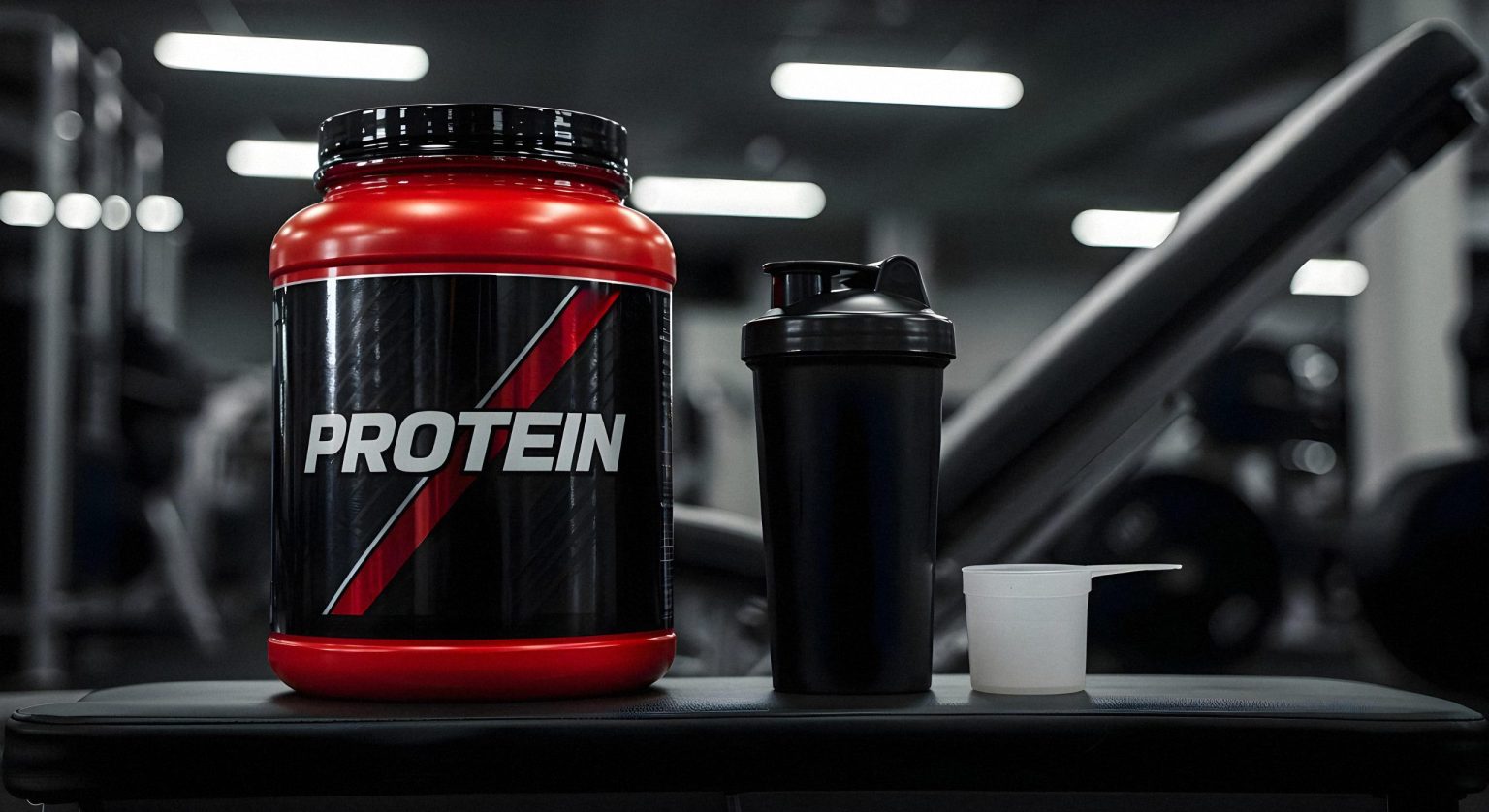
Walk into any gym, pharmacy, health store, or even supermarket today, and you’ll notice one thing: protein is everywhere.
Protein powders. Protein bars. Protein shakes. High-protein coffee. Protein gummies. Protein cereals.
But is protein just another health trend—or is it something the body genuinely needs?
More importantly, from a brand owner’s perspective: who is actually buying protein supplements, and why is this category growing so rapidly?
The answer lies in one simple fact:
Protein is not just for bodybuilders anymore.
It has become one of the most universal nutritional categories in modern health.
What Is Protein, and Why Is It So Important?
Protein is one of the three major macronutrients, alongside carbohydrates and fats.
It is made up of amino acids—the building blocks your body uses to support countless biological functions.
Protein helps support:
- Muscle growth and maintenance
- Recovery after exercise or physical activity
- Healthy skin, hair, and nails
- Bone health
- Immune system function
- Satiety and weight management
- Healthy aging and mobility
Unlike some trendy ingredients that target one specific benefit, protein supports almost every stage of life.
That’s why protein remains one of the most resilient categories in global nutrition.
Can’t We Just Get Protein from Food?
Yes – protein naturally comes from foods such as:
- Egg
- Chicken breast
- Fish
- Greek yogurt
- Soybean
- Lentil
However, modern lifestyles create real challenges:
- Skipping breakfast
- Long working hours
- Irregular meals
- Aging-related appetite loss
- Higher fitness demands
- Busy travel schedules
- Dietary restrictions
Many people simply do not consume enough quality protein consistently.
That’s where supplements become practical.
Protein supplements offer convenience, consistency, and targeted nutrition.
Who Actually Needs Protein Supplements?
The short answer:
Far more people than most brands realize.
Active Adults and Fitness Enthusiasts
This is the most obvious market.
People who exercise regularly create muscle stress that requires recovery.
Protein helps support:
- Post-workout recovery
- Lean muscle maintenance
- Performance goals
- Reduced muscle breakdown
Common product formats include:
- Whey protein
- Ready-to-drink shakes
- Protein bars
Older Adults and Healthy Aging Consumers
One of the fastest-growing protein markets is adults aged 50+.
As people age, muscle mass naturally declines—a condition associated with reduced strength and mobility.
Sarcopenia can affect independence and quality of life.
Adequate protein intake helps support:
- Muscle preservation
- Physical strength
- Mobility
- Recovery after illness
This segment often prefers:
- Easy-to-digest protein powders
- High-protein meal replacements
- Medical nutrition beverages
Weight Management Consumers
Protein is highly valued in weight-management products because it helps increase satiety.
In simple terms:
Protein may help people feel fuller for longer.
This can support:
- Portion control
- Reduced snacking
- Better calorie management
This makes protein highly relevant for:
- Meal replacement products
- Functional beverages
- High-protein snacks
Busy Professionals
Not everyone has time for a balanced meal.
Office workers, entrepreneurs, shift workers, and frequent travelers often choose protein supplements for convenience.
Examples include:
- Protein coffee
- On-the-go sachets
- RTD shakes
- Protein snack bites
This category is growing rapidly in urban Asian markets.
Beauty and Wellness Consumers
Many consumers—especially women—don’t buy protein for “muscle.”
They buy it for:
- Hair strength
- Nail health
- Skin support
- Overall vitality
Protein combined with ingredients like collagen, vitamins, or antioxidants creates strong beauty-from-within positioning.
Collagen is commonly positioned in this space.
Plant-Based Consumers
Consumers reducing animal products still need sufficient protein.
Popular plant protein sources include:
- Pea protein
- Rice protein
- Soy protein
Plant-based protein continues gaining traction in clean-label nutrition.
Is More Protein Always Better?
Not necessarily.
Protein needs vary depending on:
- Age
- Activity level
- Body composition
- Health condition
- Dietary pattern
More protein does not automatically mean better outcomes.
The key is adequate, consistent, and high-quality protein intake.
For brands, this means education matters just as much as formulation.
What Types of Protein Supplements Are Popular Today?
Animal-Based Protein
Popular examples include:
- Whey protein
- Casein protein
- Milk protein
- Collagen peptides
Plant-Based Protein
Popular examples include:
- Pea protein
- Soy protein
- Rice protein
- Mixed botanical proteins
Functional Protein Blends
Emerging products combine protein with:
- Probiotics
- Fiber
- Beauty ingredients
- Sports recovery ingredients
- Healthy aging nutrients
This is where innovation creates stronger differentiation.
What Brand Owners Should Know Before Launching a Protein Product
Protein is a crowded category—but still full of opportunity.
Successful brands usually answer these questions first:
Who is your target audience?
Athletes? Women? Seniors? Busy professionals? Children?
What problem are you solving?
Recovery? Satiety? Aging? Beauty? Convenience?
What format fits your market?
Powder? Sachet? RTD beverage? Bar? Gummies?
What regulatory pathway applies?
In Malaysia, product classification may differ depending on dosage form, claims, and composition. Food-based formats and supplement formats may fall under different regulatory frameworks.
Protein Is No Longer a Niche Category
The biggest shift in the market is simple:
Protein has moved from bodybuilding… to everyday wellness.
Today’s consumers don’t just ask:
“How much protein?”
They ask:
“Does this fit my lifestyle?”
For brands that understand this shift, protein is no longer just an ingredient – It is a platform for innovation.
Planning to develop your next protein-based health product?
From sports nutrition to healthy aging, meal replacement, and beauty-from-within formulations, understanding the right protein strategy can help your brand stand out in a competitive market.
At Novaxis Health, we help brands develop commercially viable protein formulations — from ingredient selection and formulation strategy to regulatory compliance and market positioning.
Whether you are building a sports protein, collagen blend, plant-based formula, or functional nutrition product, our team works with you to turn concepts into market-ready supplements.