As weight-management approaches evolve, nutritional adequacy and muscle maintenance are becoming important considerations for next-generation supplement development.
In a world of constant notifications, demanding workloads and busy schedules, maintaining focus and mental energy has become an important part of everyday wellness.
For years, beauty-from-within products were often built around a single hero ingredient, such as collagen for skin or biotin for hair. Today, consumers are looking for more comprehensive solutions that fit into a broader approach to beauty and wellness.
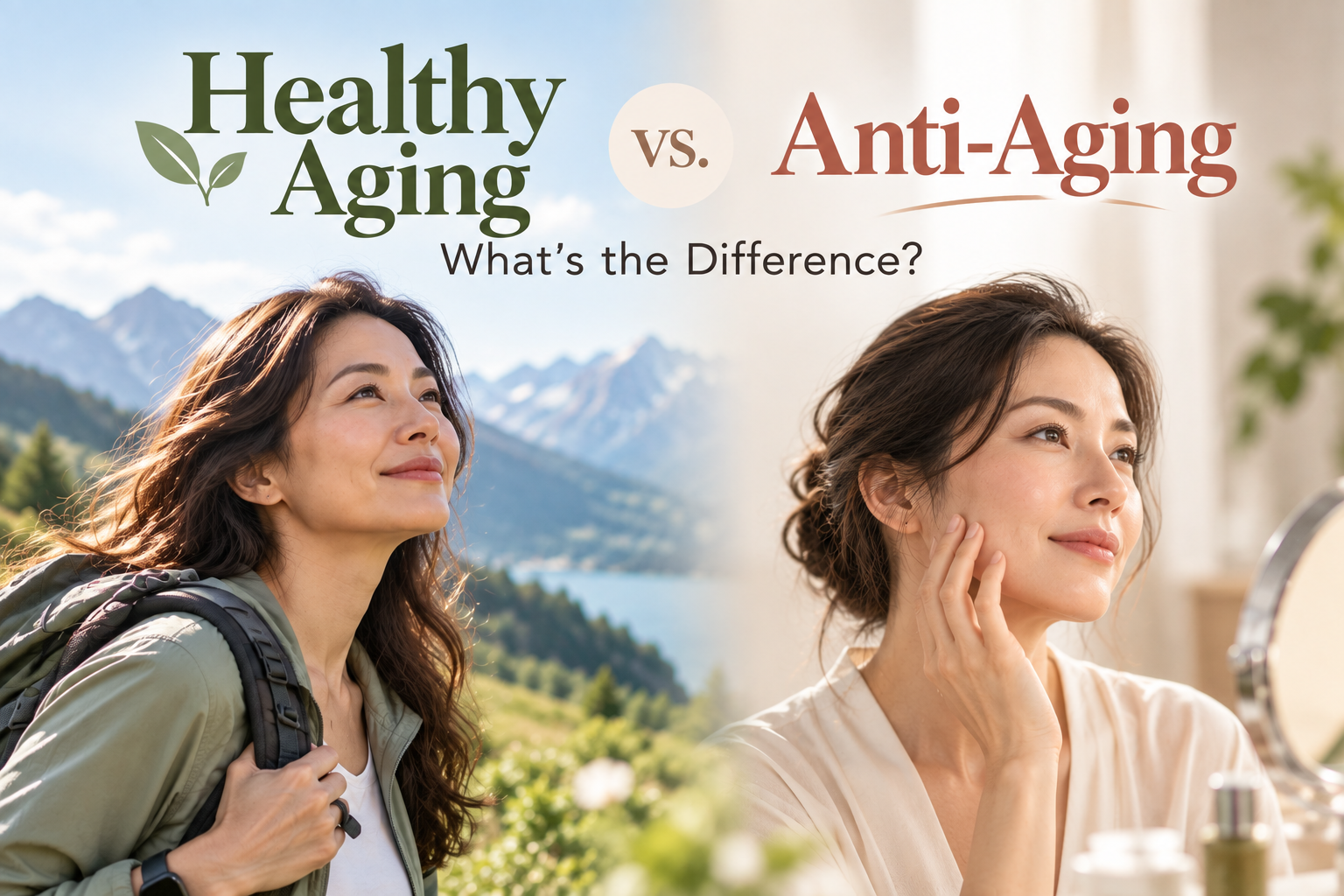
For years, the wellness industry has largely focused on “anti-aging” - reducing visible signs of aging, reversing age-related changes, or trying to make people look and feel younger. Today, a broader concept is gaining attention: healthy aging.
Polydeoxyribonucleotide - usually shortened to PDRN, has moved from dermatology clinics into mainstream skincare shelves, and is now beginning to appear in oral supplement form as well. For brand owners watching the beauty-and-wellness convergence, it's a genuinely rare case of an ingredient with real clinical history behind the hype.
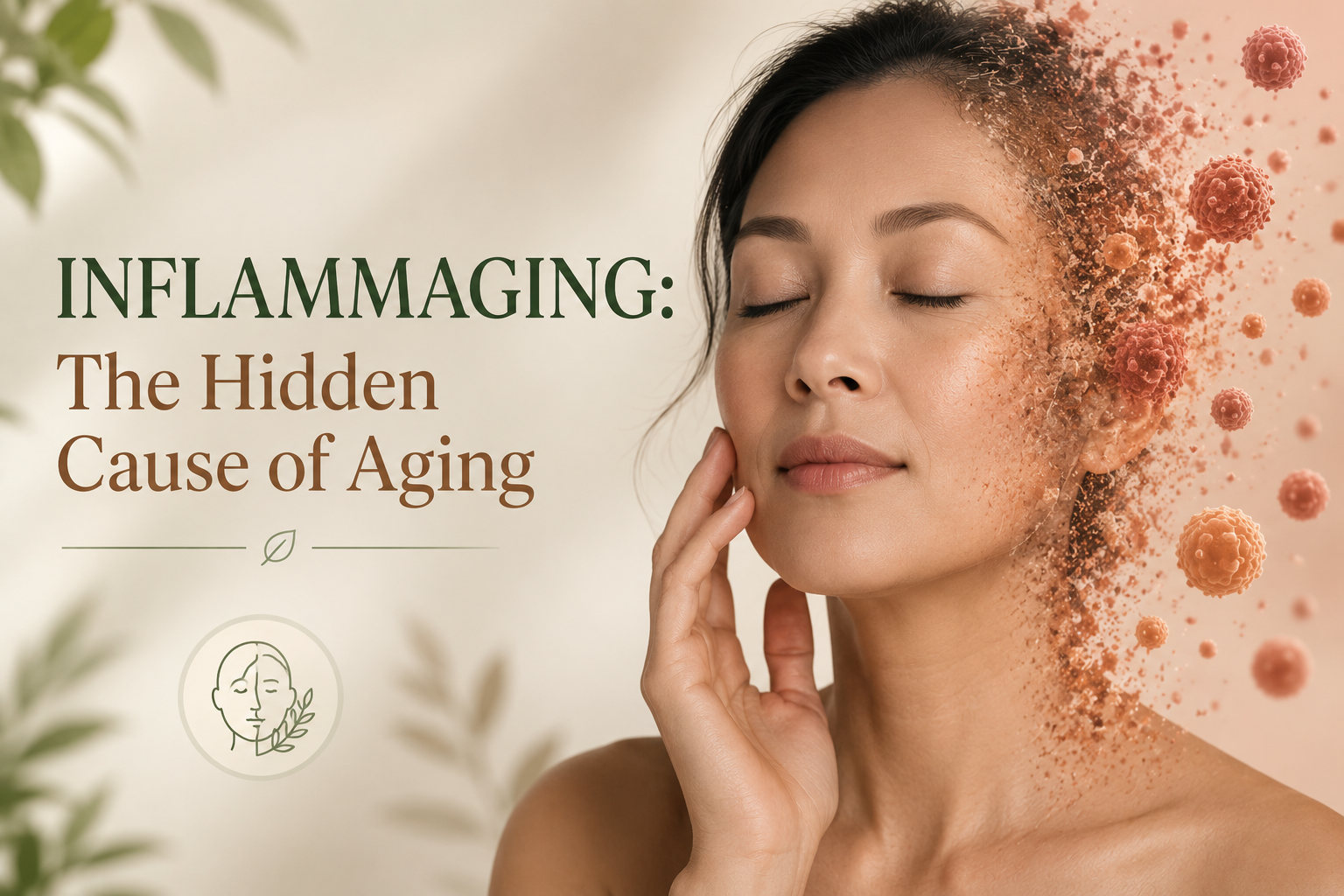
Learn what inflammaging is, why chronic low-grade inflammation accelerates aging, and how nutrition and healthy lifestyle choices may support healthy longevity.
Meet Mexican cactus, also known as Nopal cactus (Opuntia ficus-indica) - a humble desert plant that has quietly earned its place as one of the world's most versatile superfoods.
Acid reflux and heartburn are among the most common digestive complaints worldwide, creating a growing market for natural acid reflux supplements and heartburn support products.
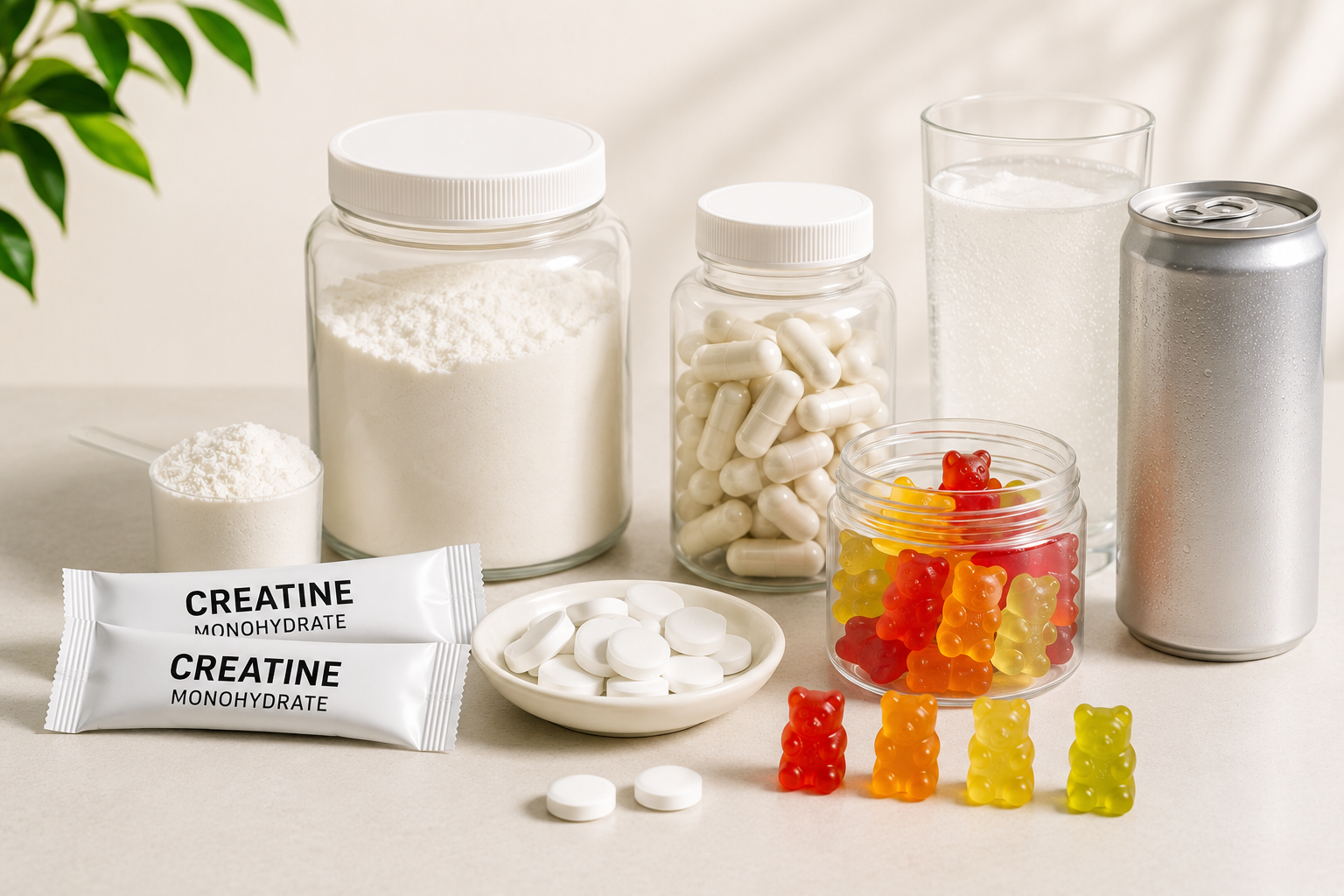
Creatine has become one of the fastest-growing ingredients in the global supplement market, with consumers seeking it not only for sports performance but also for healthy aging, muscle maintenance, active lifestyles, and even cognitive wellness.
For decades, healthy aging was largely associated with reducing wrinkles and maintaining a youthful appearance. Today, consumers are taking a much broader view of aging.