


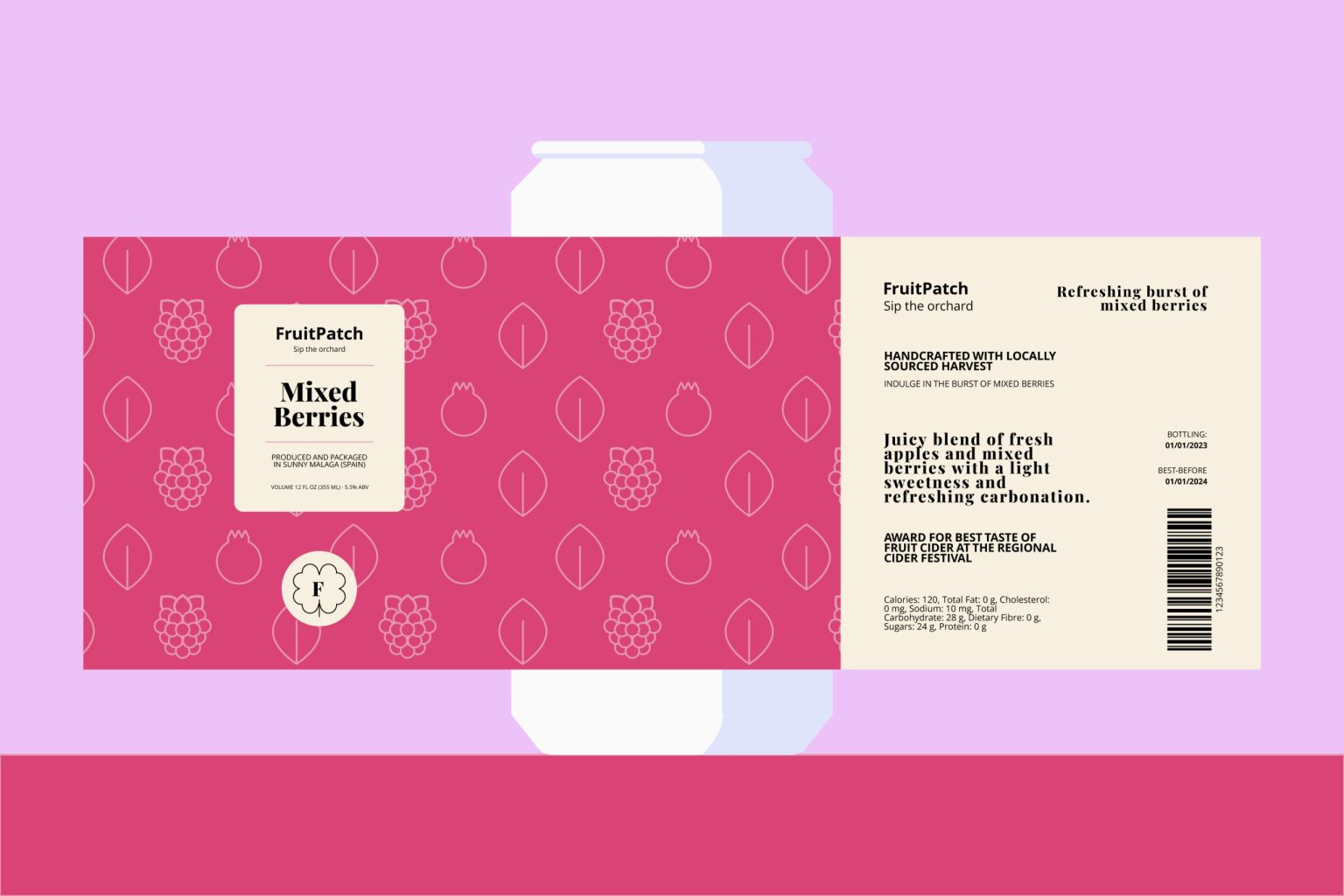
Launching a health supplement in Malaysia involves much more than choosing trending ingredients or designing attractive packaging. One of the most overlooked but commercially critical steps in product development is understanding what claims can legally appear on your label.
Many first-time brand owners assume that if an ingredient has published scientific studies, they can freely highlight every potential benefit on their packaging. In reality, supplement claims in Malaysia are closely regulated, and using the wrong wording can delay product registration, trigger artwork revisions, or even lead to compliance issues after launch.
So before printing your labels, here is what every brand owner should know.
Why Label Claims Matter More Than Most Brand Owners Realise
Your label is not just a marketing tool; it is also a regulatory document.
In Malaysia, health supplements are regulated by the National Pharmaceutical Regulatory Agency (NPRA), under the Ministry of Health Malaysia.
During product registration and label review, regulators evaluate not only your formulation and ingredient documentation, but also the exact words used on your packaging.
A claim that seems harmless from a marketing perspective may be interpreted as a medicinal or disease-treatment claim, which can create regulatory complications.
That is why claim strategy should be discussed early – during product formulation, not after artwork is completed.
What Is Generally Allowed?
In general, supplements may use structure-function claims or health maintenance claims.
These describe how a product supports normal body functions or general wellbeing, rather than diagnosing, treating, or curing diseases.
Examples of generally acceptable claims may include:
- Supports healthy growth and development
- Helps to maintain good health
- For energy and vitality
- For strengthening the body
These claims focus on maintaining normal health rather than making therapeutic promises.
Understanding the Different Types of Supplement Claims in Malaysia
According to NPRA, a health supplement claim refers to the beneficial effects of consuming health supplements to promote good health and wellbeing – both physical and mental.
These claims may involve:
- providing nutritional support
- enhancing normal body structure or function
- relieving physiological discomfort
- reducing the risk of certain health-related conditions
In Malaysia, health supplement claims are generally categorized into three levels:
General or Nutritional Claims
These are the most basic claims and typically relate to maintaining normal health or providing nutritional support.
Examples may include:
- Helps maintain good health
- Source of calcium
- Supports daily nutritional needs
- For energy and vitality
These claims are generally lower risk from a regulatory perspective when used appropriately.
Functional Claims
Functional claims describe how an ingredient supports normal physiological functions or body systems.
Examples may include:
- Supports digestive health
- Helps maintain healthy skin
- Supports immune function
- Helps maintain bone strength
These claims are more specific than general claims, but still should not imply treatment or cure of diseases.
Disease Risk Reduction Claims
These are higher-level claims suggesting that a product may help reduce the risk factors associated with certain diseases or health conditions.
Such claims require substantially stronger scientific substantiation and regulatory scrutiny.
Because of the higher compliance burden, these claims require careful evaluation before use on supplement labels or marketing materials.
Minimum Nutrient Levels Also Matter
Another important point many brand owners overlook:
Claims involving vitamins or minerals are not based on wording alone.
According to NPRA guidance, if a health supplement makes a general or functional claim relating to a vitamin or mineral, the product must contain at least 15% of the Codex Nutrient Reference Value (NRV) per daily dose for that nutrient.
For example:
If a product contains only a very small amount of vitamin C, it may not be appropriate to claim immune support unless sufficient evidence is available to justify the effect at that dosage.
This means a compliant claim is not only about choosing safe wording — it also depends on whether your formulation contains meaningful and justifiable ingredient levels.
For ingredients outside vitamins and minerals, supporting scientific evidence is still expected to substantiate the claimed benefits.
What Claims Should Brand Owners Avoid?
One of the most common mistakes is using disease-related language.
Supplements should generally avoid claims that imply diagnosis, treatment, prevention, or cure of specific diseases.
Examples of problematic claims include:
❌ Cures diabetes
❌ Treats fatty liver
❌ Eliminates anxiety
❌ Prevents cancer
❌ Heals gastric ulcers
Even if certain ingredients have promising research, using therapeutic wording on product labels may trigger regulatory objections.
Instead, compliant wording often focuses on supporting normal physiological function.
Claim wording is often where science, marketing, and compliance must work together.
Natural Ingredients Still Need Compliant Claims
Another common misconception is:
“It’s herbal, so I can say anything.”
Not necessarily.
Whether your formula contains botanical ingredients, vitamins, minerals, probiotics, or specialty actives, claims must still align with regulatory expectations.
For example:
- Probiotics may support digestive health—but that does not automatically allow disease-treatment claims.
- Collagen may support skin health—but not “reverse ageing.”
- Botanical extracts may support stress management—but not “cure depression.”
Natural ingredients still require careful claim positioning.
Claims Must Match Your Formula
Another issue many startups overlook:
Your claims should be supported by your actual formulation.
If your product claims to support bone health but contains only a minimal dose of calcium, vitamin D, or supporting nutrients, your positioning may become difficult to justify.
Regulatory review is not just about words—it is about whether your formula logically supports those words.
This is why claim development should happen alongside formulation development.
A strong formula makes compliant marketing easier.
Common Label Claim Mistakes First-Time Brands Make
Here are some of the most common issues:
- Copying competitor packaging
What appears on another label may not represent your regulatory pathway.
- Writing marketing copy before formulation is finalized
Claims should reflect what your formula can support.
- Using social media language on packaging
“Miracle,” “instant,” “clinically proven cure” can create issues.
- Overpromising outcomes
Compliance is easier when claims support wellness rather than guaranteed results.
- Designing artwork before regulatory review
This often leads to expensive reprints.
How to Build Claims Strategically from Day One
Instead of asking:
“What claims can we print?”
A better question is:
“What positioning do we want and can our formulation and regulatory pathway support it?”
This changes product development completely.
A strong supplement brand is not built only on trendy ingredients.
It is built on:
- compliant positioning
- credible formulation
- realistic claims
- market differentiation
- long-term consumer trust
Final Thoughts
In the supplement industry, the right claims can accelerate market entry, strengthen consumer confidence, and protect your brand from unnecessary delays.
The wrong claims can do the opposite.
Whether you are developing your first product or expanding into the Malaysian market, claim strategy should be considered from the earliest stage of formulation—not after packaging design.
At Novaxis Health, we work with brand owners to align formulation, compliance, and market positioning from day one – helping turn product ideas into commercially ready health supplements.