


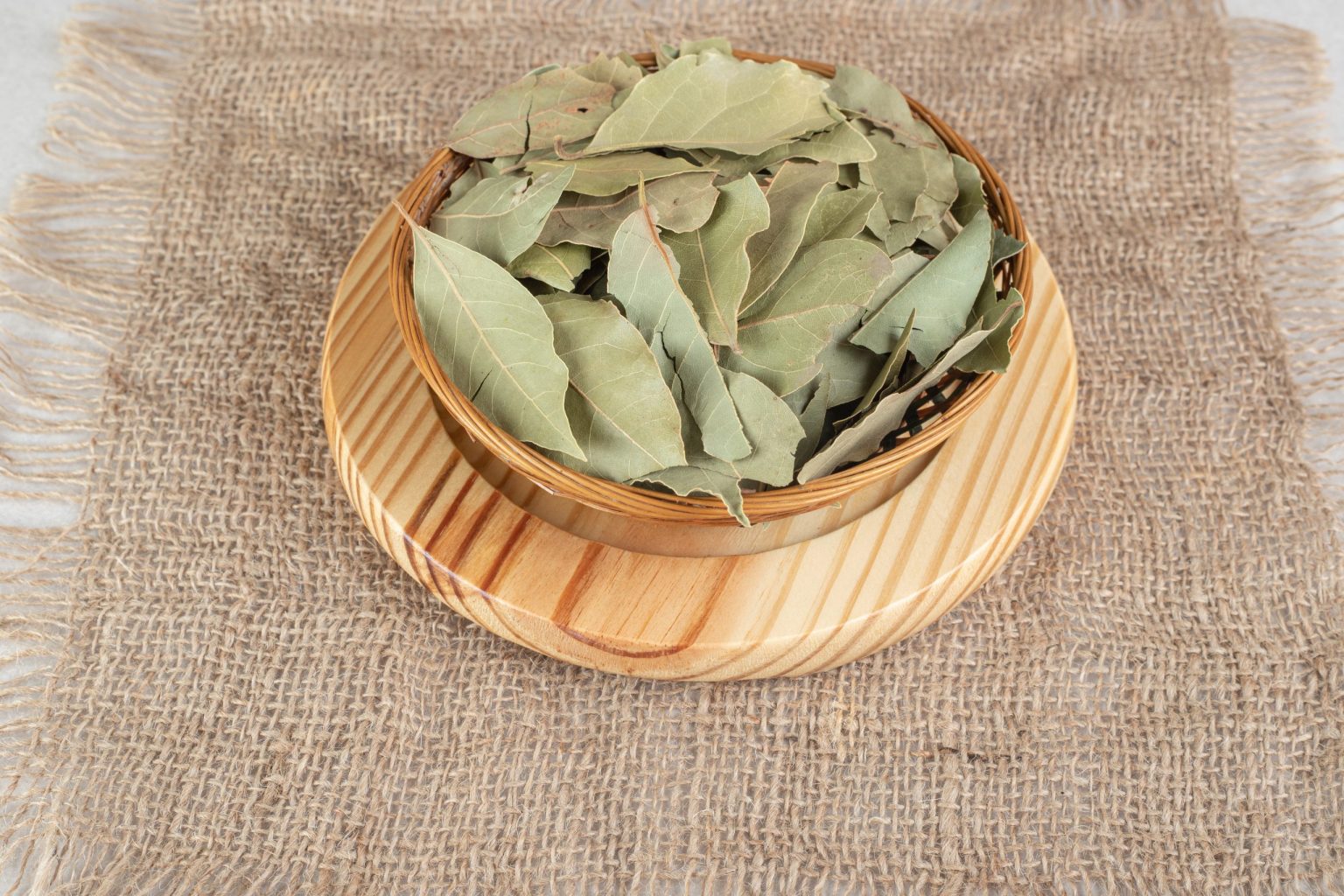
Introduction: Rising Demand for Gut Health Solutions in Malaysia
Constipation and irregular bowel movements are common digestive concerns in Malaysia, largely driven by low fiber intake, sedentary lifestyles, and modern dietary habits. This has led to increasing demand for digestive health products, including herbal-based formulations and gut wellness supplements.
However, ingredients such as senna are subject to strict regulatory control in Malaysia. Product classification, dosage, and claims play a critical role in determining how they can be formulated, registered, and marketed.
For brand owners, understanding these regulatory boundaries is essential before developing any digestive health product.
What Is Senna and How It Works
Regulatory Classification in Malaysia (NPRA Framework)
In Malaysia, senna-containing products are regulated by the National Pharmaceutical Regulatory Agency (NPRA). Classification depends on dosage, product claims, and intended use.
- Traditional Medicine Classification
Senna may be included in traditional medicine products under controlled conditions.
Products containing:
- Less than 0.5g crude senna per daily dose, or
- Less than 20mg sennosides per daily dose
are generally classified as traditional products.
These products must be registered with NPRA and comply with quality, safety, and labeling requirements. Claims are limited to traditional use and must not imply pharmaceutical-level therapeutic effects.
- Pharmaceutical Classification
If senna content exceeds:
- 0.5g crude drug per daily dose, or higher sennoside levels
the product is likely classified as a pharmaceutical product.
This requires stricter regulatory control, including product registration, detailed documentation, and compliance with pharmaceutical standards.
Mandatory Safety Labeling Requirements
For products containing Senna (Cassia spp.) for oral use, NPRA requires the following warnings to be included on labels, inserts, and Consumer Medication Information Leaflets (RiMUP):
- Do not use when abdominal pain, nausea, or vomiting is present.
- Frequent or prolonged use may result in dependence and electrolyte imbalance.
- Consult a healthcare practitioner for use beyond 7 days.
These statements highlight the importance of controlled usage and consumer safety.
Safety Considerations of Senna
Although effective for short-term relief, senna must be used carefully due to its strong physiological action.
Key safety considerations include:
- Not suitable for long-term or daily use
- Possible abdominal cramping
- Risk of laxative dependency
- Potential electrolyte imbalance with excessive use
As a result, senna is typically positioned for occasional relief rather than daily digestive wellness support.
Market Trend: Shift Toward Gentle Gut Health Solutions
The digestive health market in Malaysia is evolving from stimulant-based laxatives toward gentler, daily-use gut health solutions.
Modern formulations increasingly focus on:
- Dietary fiber for bowel regulation
- Prebiotics for microbiome support
- Mild herbal digestive blends
- Multi-functional gut health systems
This shift is driven by consumer demand for safer daily wellness products and regulatory limitations on stimulant-based ingredients.
Alternative Ingredients for Gut Health Products
Due to regulatory restrictions, most brands shift toward food-compliant and consumer-friendly ingredients such as:
- Inulin and FOS (prebiotic fibers)
- Resistant dextrin (digestive support fiber)
- Magnesium-based gentle osmotic support (formulation dependent)
- Probiotics
These ingredients are widely accepted in functional food and supplement applications designed for daily consumption.
Market Opportunities for Brand Owners
Despite restrictions on stimulant laxatives, the gut health category in Malaysia remains highly attractive.
Key opportunities include:
- Daily gut health beverages with prebiotic blends
- Fiber-based digestive regularity supplements
- Gentle bowel support formulations
- Microbiome-focused wellness products
The market direction is clear:
From laxative-driven positioning → to gut balance and microbiome wellness positioning
This transition opens strong opportunities for brands developing long-term digestive health solutions.
How NOVAXIS Supports Product Development
At NOVAXIS, we help brands navigate Malaysia’s regulatory framework to develop compliant and commercially viable digestive health products.
Our support includes:
- Regulatory classification strategy (food, traditional medicine, or pharmaceutical)
- Ingredient compliance screening for Malaysia regulations
- Formulation development using approved gut health actives
- Claim positioning aligned with NPRA requirements
- Manufacturing partner coordination and product execution
We ensure every product is designed to be effective, compliant, and market-ready from the early development stage.
Ready to Develop a Compliant Gut Health Product?
If you are planning to develop a digestive health product in Malaysia, NOVAXIS can help you create a formulation that is compliant, effective, and commercially strong while minimizing regulatory risk.