


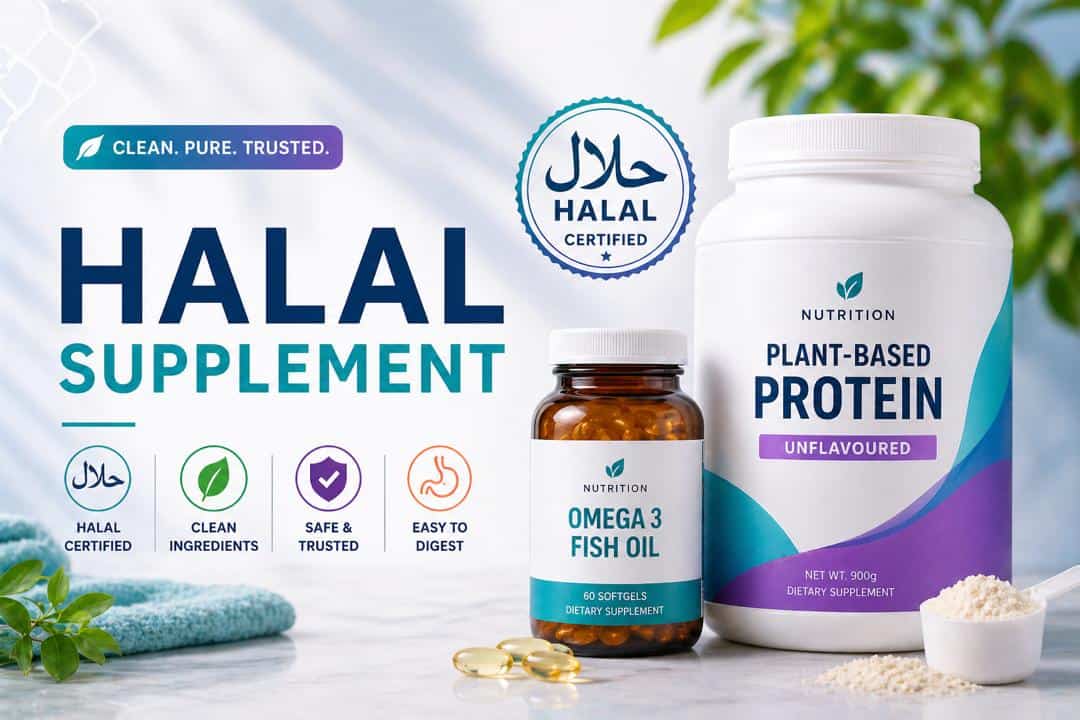
In recent years, halal supplements have transformed from a niche category into a fast-growing global industry. With rising health awareness, increasing demand for ethical consumption, and a rapidly expanding Muslim population, the halal nutraceutical sector is gaining serious momentum. At the center of this growth is Malaysia—widely recognized as one of the world’s leading halal hubs. But what exactly makes Malaysia a global leader in halal supplements?
Understanding Halal Supplements
Halal supplements refer to dietary products that comply with Islamic dietary laws. This means they are free from prohibited (haram) substances such as pork derivatives, alcohol, or improperly sourced animal ingredients. More importantly, halal certification also ensures strict standards in sourcing, manufacturing, hygiene, and traceability.
For consumers, halal is no longer just about religious compliance—it has become synonymous with quality, safety, and transparency. This perception is one of the key drivers behind the global growth of halal supplements.
Malaysia’s Strong Halal Ecosystem
Malaysia’s leadership in the halal supplement market is no coincidence. The country has spent decades building a comprehensive halal ecosystem that integrates regulation, manufacturing, certification, and export.
One of Malaysia’s biggest strengths is its globally respected halal certification system, managed by government authorities. This system is known for its strict standards and credibility, making Malaysian-certified products highly trusted worldwide.
In fact, halal certification in Malaysia is often seen as a premium benchmark, allowing brands to command higher value and gain easier access to international markets.
Beyond certification, Malaysia has also developed a full halal infrastructure—from ingredient sourcing to logistics—ensuring end-to-end compliance. This level of integration gives Malaysian companies a significant competitive advantage.
Strong Government Support and Policy
Another reason Malaysia leads the global halal supplement market is strong government backing. The halal industry is a strategic national priority, contributing significantly to the country’s economy.
Malaysia’s halal sector already contributes close to 8–10% of GDP and is projected to grow even further in the coming years.
Government agencies actively promote Malaysia as a global halal hub, supporting businesses through certification frameworks, export facilitation, industry development programs, and international trade partnerships.
This coordinated approach has helped Malaysia position itself not just as a producer, but as a global reference point for halal standards.
A Highly Engaged Domestic Market
Malaysia’s domestic market also plays a crucial role in driving innovation and growth. With a majority Muslim population, halal products are not optional—they are essential.
At the same time, supplement consumption in Malaysia is already mainstream. Around 61% of Malaysians consume supplements, with many taking them regularly as part of their daily routine.
This creates a strong local demand for halal-certified supplements, encouraging brands to innovate and maintain high standards. Additionally, non-Muslim consumers are increasingly choosing halal products due to their perceived safety and quality.
Strategic Export Position
Malaysia’s strategic location in Southeast Asia allows easy access to key markets such as Indonesia, Middle East countries, and other ASEAN nations.
As global demand for halal supplements rises, Malaysia is well-positioned to capture a large share of this market.
Rising Global Demand for Halal Supplements
Globally, halal supplements are no longer limited to Muslim consumers. The category is expanding due to broader lifestyle trends: clean-label and ethical consumption, transparency in ingredient sourcing, and demand for safer, high-quality products.
The global halal supplement market is already valued in the billions and is projected to grow at a strong pace, driven by increasing awareness and standardization.
Malaysia’s early leadership in certification and regulation gives it a first-mover advantage as more countries begin to adopt halal standards.
Innovation and Future Opportunities
Malaysia is not just maintaining its position—it is evolving. The country is seeing rapid innovation in supplement development, including functional ingredients (e.g., probiotics, botanicals), advanced delivery systems (e.g., gummies, time-release capsules), and sustainable and plant-based formulations.
These innovations align with global health trends while remaining compliant with halal requirements.
For brand owners and manufacturers, Malaysia offers a unique opportunity: a mature halal ecosystem combined with access to a growing global market.
Conclusion
Malaysia’s leadership in halal supplements is the result of a powerful combination of trust, infrastructure, policy support, and market demand. Its globally recognized certification system, strong government backing, and strategic export capabilities have positioned the country as a benchmark in the halal industry.
As the global demand for halal-certified supplements continues to rise, Malaysia is not just participating in the market—it is shaping its future.
For businesses looking to enter or expand in the halal supplement space, Malaysia represents more than just a market. It is a gateway to global growth.
Looking to develop halal-certified supplements or expand your brand into international markets? Partner with experts who understand formulation, compliance, and positioning—so you can scale with confidence in the global halal industry.